
November 13, 2026
ਨਿਰਭਉ ਨਿਰੰਕਾਰ: ਅਵਤਾਰਾਂ, ਕਹਾਣੀਆਂ ਅਤੇ ਬਹਿਸਾਂ ਤੋਂ ਪਾਰ ਗੁਰਮਤਿ ਦੀ ਦ੍ਰਿਸ਼ਟੀ
By Sardar Ajaypal Singh
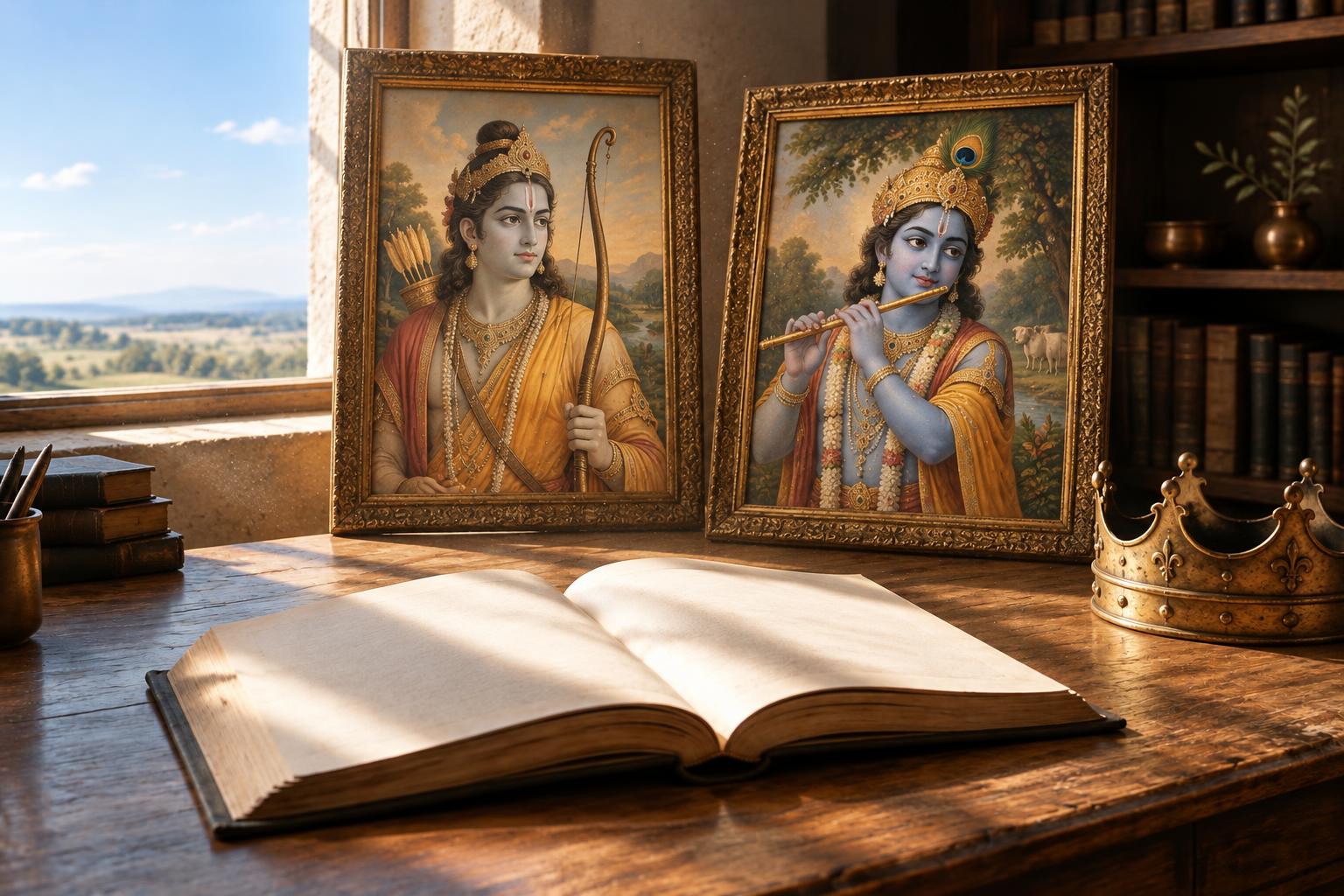
ਨਾਨਕ ਨਿਰਭਉ ਨਿਰੰਕਾਰੁ ਹੋਰਿ ਕੇਤੇ ਰਾਮ ਰਵਾਲ ॥
ਭੂਮਿਕਾ: ਸਾਡੀ ਟੇਕ ਕਿਸ ਉੱਤੇ ਹੈ?
ਮਨੁੱਖ ਅਕਸਰ ਕਿਸੇ ਦਿਸਦੇ ਚਿਹਰੇ, ਵੱਡੇ ਅਹੁਦੇ, ਪ੍ਰਸਿੱਧ ਕਥਾ ਜਾਂ ਵਿਦਵਤਾ ਦੇ ਪ੍ਰਭਾਵ ਹੇਠ ਆ ਜਾਂਦਾ ਹੈ। ਰਾਜੇ ਦੀ ਸ਼ਕਤੀ, ਅਵਤਾਰ ਦੀ ਮਹਿਮਾ ਅਤੇ ਸ਼ਾਸਤਰਾਂ ਦੀ ਜਾਣਕਾਰੀ ਉਸ ਨੂੰ ਚਮਤਕ੍ਰਿਤ ਕਰ ਸਕਦੀ ਹੈ। ਪਰ ਗੁਰੂ ਨਾਨਕ ਸਾਹਿਬ ਸਾਡੀ ਨਜ਼ਰ ਇਨ੍ਹਾਂ ਸਭ ਤੋਂ ਉੱਪਰ ਚੁੱਕਦੇ ਹਨ: ਅਸਲ ਵਿੱਚ ਨਿਰਭਉ ਕੌਣ ਹੈ? ਕੀ ਕਿਸੇ ਵਿਅਕਤੀ ਦੀ ਮਹਾਨਤਾ ਉਸ ਨੂੰ ਅਕਾਲ ਪੁਰਖ ਦੇ ਬਰਾਬਰ ਕਰ ਦਿੰਦੀ ਹੈ? ਕੀ ਕਹਾਣੀਆਂ ਸੁਣ ਲੈਣਾ ਜਾਂ ਧਾਰਮਿਕ ਬਹਿਸ ਜਿੱਤ ਲੈਣਾ ਹੀ ਆਤਮਕ ਗਿਆਨ ਹੈ?
ਇਨ੍ਹਾਂ ਤੁਕਾਂ ਦਾ ਕੇਂਦਰ ਇੱਕ ਨਿਰਭਉ ਨਿਰੰਕਾਰ ਹੈ। ਗੁਰਮਤਿ ਮਨੁੱਖ ਨੂੰ ਕਿਸੇ ਦੇਹਧਾਰੀ ਹਸਤੀ, ਰਾਜਸੀ ਸੱਤਾ ਜਾਂ ਬੌਧਿਕ ਹੰਕਾਰ ਦੀ ਅੰਤਿਮ ਟੇਕ ਬਣਾਉਣ ਦੀ ਥਾਂ ਸ਼ਬਦ ਨਾਲ ਜੁੜਨ ਲਈ ਪ੍ਰੇਰਦੀ ਹੈ। ਇਹ ਵਿਚਾਰ ਕਿਸੇ ਧਰਮ ਦੇ ਆਮ ਅਨੁਯਾਈਆਂ ਨੂੰ ਨੀਵਾਂ ਦਿਖਾਉਣ ਲਈ ਨਹੀਂ, ਸਗੋਂ ਆਪਣੀ ਸੋਚ, ਭਰੋਸੇ ਅਤੇ ਆਚਰਨ ਨੂੰ ਪਰਖਣ ਲਈ ਹੈ।
ਪਿਛਲੇ ਸਲੋਕ ਨਾਲ ਸੰਬੰਧ: ਭੈ ਤੋਂ ਨਿਰਭਉ ਤੱਕ
ਆਸਾ ਕੀ ਵਾਰ ਦੇ ਪਿਛਲੇ ਸਲੋਕ ਵਿੱਚ ਪਵਣ, ਪਾਣੀ, ਅੱਗ, ਧਰਤੀ ਅਤੇ ਹੋਰ ਹਸਤੀਆਂ ਨੂੰ ਭੈ ਵਿੱਚ ਦਰਸਾਇਆ ਗਿਆ ਹੈ। ਇਸ ਪ੍ਰਸੰਗ ਵਿੱਚ ‘ਭੈ’ ਨੂੰ ਕੇਵਲ ਮਨੁੱਖੀ ਘਬਰਾਹਟ ਨਹੀਂ, ਸਗੋਂ ਸਿਰਜਣਹਾਰ ਦੇ ਹੁਕਮ, ਮਰਯਾਦਾ ਅਤੇ ਅਨੁਸ਼ਾਸਨ ਦੇ ਸੰਦਰਭ ਵਿੱਚ ਵੀ ਸਮਝਣਾ ਚਾਹੀਦਾ ਹੈ। ਉਸ ਸਲੋਕ ਦਾ ਨਿਸ਼ਕਰਸ਼ ਹੈ:
ਨਾਨਕ ਨਿਰਭਉ ਨਿਰੰਕਾਰੁ ਸਚੁ ਏਕੁ ॥
ਇਸ ਅਗਲੇ ਸਲੋਕ ਵਿੱਚ ਉਹੀ ਕੇਂਦਰੀ ਵਿਚਾਰ ਹੋਰ ਖੁੱਲ੍ਹਦਾ ਹੈ। ਸੰਸਾਰ ਦੀਆਂ ਪ੍ਰਸਿੱਧ ਹਸਤੀਆਂ, ਧਾਰਮਿਕ ਕਥਾਵਾਂ ਅਤੇ ਵਿਚਾਰ-ਪਰੰਪਰਾਵਾਂ ਬਹੁਤ ਹਨ; ਪਰ ਉਨ੍ਹਾਂ ਦੀ ਬਹੁਲਤਾ ਉਸ ਇੱਕ ਨਿਰੰਕਾਰ ਦੀ ਅਸੀਮਤਾ ਨੂੰ ਘੇਰ ਨਹੀਂ ਸਕਦੀ। ਸਿਰਜੀ ਹੋਈ ਹਸਤੀ ਅਤੇ ਸਿਰਜਣਹਾਰ ਵਿੱਚ ਅੰਤਰ ਬਣਿਆ ਰਹਿੰਦਾ ਹੈ।
The Fearless Creator vs. Dust-Like Mortals
In the opening line of this second Salok, Guru Nanak Dev Ji directly confronts the biggest religious illusion in South Asia: the worship of human Avatars (incarnations) and political "God-Kings." By declaring that only the Formless Nirankar is Nirbhau (Fearless) and that countless bodily "Ramas" are merely specks of dust (Ravaal) before Him, Guru Ji shatters both mythological idol-worship and modern political personality cults.
ਨਿਰਭਉ ਨਿਰੰਕਾਰੁ (The Fearless Formless One): Only Nirankar—who is beyond birth, death, physical body, and social pressure—is truly Nirbhau (free from all fear). Anyone trapped in a physical body (Akaar) is automatically subject to the laws of nature, time, and worldly fear.
ਹੋਰਿ ਕੇਤੇ ਰਾਮ ਰਵਾਲ (Countless Ramas are Mere Dust): Just as millions of tiny dust particles (Ravaal) float inside a single beam of sunlight, countless solar systems and countless avatar-kings like Rama exist as microscopic specks of dust within the infinite creation of Nirankar.
The Valmiki Ramayana Reality Check
As we verified directly in the Valmiki Ramayana, King Rama himself was bound by worldly fear (Lok-Bhau). In Yuddha Kanda (Sarga 118, Verse 14), Rama admits he let Sita walk into the funeral pyre because he was afraid people would call him a "lustful fool" (बालिशो बत कामात्मा). Later in Uttara Kanda, out of fear of public gossip, he abandons pregnant Sita in the forest and beheads the Shudra ascetic Shambuka to appease the Brahmins. One who lives in fear of public opinion cannot be the Nirbhau Nirankar.
ਨਿਰੰਕਾਰ ਦੇ ਸਾਹਮਣੇ ਅਵਤਾਰੀ ਰਾਮ ਵਰਗੇ ਬੇਅੰਤ ਰਾਜੇ ਧੂੜ ਦੇ ਕਿਣਕਿਆਂ ਸਮਾਨ ਹਨ। ਮੂਲ ਵਾਲਮੀਕਿ ਰਾਮਾਇਣ ਗਵਾਹ ਹੈ ਕਿ ਰਾਜਾ ਰਾਮ ਖੁਦ ਲੋਕ-ਲਾਜ ਦੇ ਡਰ (ਭੈ) ਦੇ ਅਧੀਨ ਸੀ—ਲੋਕਾਂ ਦੇ ਤਾਹਨਿਆਂ ਤੋਂ ਡਰ ਕੇ ਉਸ ਨੇ ਸੀਤਾ ਨੂੰ ਬਲਦੀ ਚਿਖਾ ਵਿੱਚ ਜਾਣ ਤੋਂ ਨਹੀਂ ਰੋਕਿਆ ਅਤੇ ਬਾਅਦ ਵਿੱਚ ਗਰਭਵਤੀ ਸੀਤਾ ਨੂੰ ਜੰਗਲ ਵਿੱਚ ਛੱਡ ਦਿੱਤਾ। ਜੋ ਖੁਦ ਲੋਕਾਂ ਦੇ ਡਰ ਹੇਠ ਜਿਊਂਦਾ ਹੋਵੇ, ਉਹ 'ਨਿਰਭਉ ਨਿਰੰਕਾਰ' ਕਦੇ ਨਹੀਂ ਹੋ ਸਕਦਾ।
ਗੂੜ੍ਹ ਅਧਿਆਤਮਕ ਅਤੇ ਮਾਨਸਿਕ ਅਰਥ (Metaphorical & Psychological Meaning)
Why Form (Akaar) Can Never Be Fearless (Nirbhau)
Human psychology craves a visible, human-like figure to worship because the ego finds it easier to bow to a royal statue than to transform its own character through the Formless Shabad. Guru Nanak Dev Ji places ਨਿਰਭਉ and ਨਿਰੰਕਾਰੁ side by side to teach a profound scientific and spiritual law: only that which is Formless (Nirankar) can be Fearless (Nirbhau). Everything that enters a physical body (Akaar) is subject to birth, pain, loss, aging, death, and social anxiety.
Exposing the Mythological "God-King" Through the Primary Text
For centuries, priestly classes conditioned the masses to believe that King Rama of Ayodhya was the Supreme God Himself. Yet, when we examine the original Valmiki Ramayana, we see a mortal king trapped in deep psychological fear of public opinion (Lok-Laaj). In Yuddha Kanda (Sarga 115–118), after Ravana is defeated, Rama publicly humiliates Sita, tells her she can go live with Lakshmana, Bharata, Sugriva, or Vibhishana, and stands looking at the ground while she enters a funeral pyre to end her life. When the gods rebuke him, Rama confesses his fear: "If I took Janaki back without proving her chastity, the world would call me a foolish, lustful man (बालिशो बत कामात्मा)" (118.14). Later, in Uttara Kanda (Sargas 45–47), terrified of street gossip in Ayodhya, he secretly abandons his pregnant wife in the jungle, and in Sargas 76–78, fearing that a Brahmin's dead child will bring a curse upon his throne, he beheads the innocent Shudra ascetic Shambuka. A ruler who sacrifices his innocent wife and an innocent citizen out of fear of public gossip is bound hand and foot by worldly Bhau—he is not Nirbhau.
Shattering Political Personality Cults
Today, political regimes and Hindutva ideologues weaponize the name of King Rama to build a personality cult around modern rulers, demanding that minorities and the Khalsa bow to their "Ram Rajya." Guru Nanak Dev Ji destroys this ideological superiority complex in seven words: before the cosmic majesty of Nirankar, millions of such royal figures are nothing more than floating specks of dust (Ravaal).
ਆਕਾਰ (ਸਰੀਰ) ਕਦੇ ਵੀ 'ਨਿਰਭਉ' ਨਹੀਂ ਹੋ ਸਕਦਾ
ਮਨੁੱਖੀ ਮਨ ਦੀ ਇਹ ਕਮਜ਼ੋਰੀ ਹੈ ਕਿ ਉਹ ਆਪਣੇ ਵਰਗੇ ਕਿਸੇ ਸਰੀਰ ਜਾਂ ਮੂਰਤੀ ਨੂੰ ਰੱਬ ਮੰਨਣਾ ਸੌਖਾ ਸਮਝਦਾ ਹੈ। ਗੁਰੂ ਨਾਨਕ ਦੇਵ ਜੀ ਨੇ ਨਿਰਭਉ ਅਤੇ ਨਿਰੰਕਾਰੁ ਨੂੰ ਇਕੱਠਿਆਂ ਰੱਖ ਕੇ ਇਹ ਸਿਧਾਂਤ ਪੱਕਾ ਕਰ ਦਿੱਤਾ ਕਿ ਡਰ-ਰਹਿਤ (ਨਿਰਭਉ) ਸਿਰਫ਼ ਉਹੀ ਹੋ ਸਕਦਾ ਹੈ ਜੋ ਆਕਾਰ-ਰਹਿਤ (ਨਿਰੰਕਾਰ) ਹੈ। ਜੋ ਵੀ ਮਾਂ ਦੇ ਪੇਟ ਵਿੱਚੋਂ ਜਨਮ ਲੈ ਕੇ ਸਰੀਰ ਧਾਰਨ ਕਰਦਾ ਹੈ, ਉਹ ਸਮੇਂ, ਦੁੱਖ-ਸੁੱਖ, ਵਿਛੋੜੇ ਅਤੇ ਦੁਨਿਆਵੀ ਡਰ ਦੇ ਅਧੀਨ ਹੈ।
ਵਾਲਮੀਕਿ ਰਾਮਾਇਣ ਦੇ ਮੂਲ ਪਾਠ ਰਾਹੀਂ ਅਵਤਾਰਵਾਦ ਦਾ ਸੱਚ
ਸਦੀਆਂ ਤੋਂ ਪੁਜਾਰੀ ਵਰਗ ਨੇ ਲੋਕਾਂ ਨੂੰ ਇਹ ਰਟਾਇਆ ਕਿ ਅਯੁੱਧਿਆ ਦਾ ਰਾਜਾ ਰਾਮ ਹੀ ਪੂਰਨ ਭਗਵਾਨ ਹੈ। ਪਰ ਜਦੋਂ ਅਸੀਂ ਮੂਲ ਵਾਲਮੀਕਿ ਰਾਮਾਇਣ ਪੜ੍ਹਦੇ ਹਾਂ, ਤਾਂ ਦੇਖਦੇ ਹਾਂ ਕਿ ਰਾਜਾ ਰਾਮ ਸਾਰੀ ਉਮਰ 'ਲੋਕ-ਲਾਜ' ਅਤੇ ਬਦਨਾਮੀ ਦੇ ਡਰ ਹੇਠ ਦੱਬਿਆ ਰਿਹਾ। ਯੁੱਧ ਕਾਂਡ (ਸਰਗ ੧੧੫–੧੧੮) ਵਿੱਚ ਉਹ ਸੀਤਾ ਨੂੰ ਭਰੀ ਸਭਾ ਵਿੱਚ ਤਿਆਗ ਦਿੰਦਾ ਹੈ ਅਤੇ ਜਦੋਂ ਸੀਤਾ ਅਪਮਾਨਿਤ ਹੋ ਕੇ ਜਿਊਂਦੇ-ਜੀਅ ਚਿਖਾ ਵਿੱਚ ਸੜਨ ਲੱਗਦੀ ਹੈ, ਤਾਂ ਰਾਮ ਨੀਵੀਂ ਪਾ ਕੇ ਖੜ੍ਹਾ ਰਹਿੰਦਾ ਹੈ। ਬਾਅਦ ਵਿੱਚ ਉਹ ਖੁਦ ਮੰਨਦਾ ਹੈ ਕਿ ਮੈਨੂੰ ਡਰ ਸੀ ਕਿ ਲੋਕ ਮੈਨੂੰ ਮੂਰਖ ਅਤੇ ਕਾਮੀ (बालिशो बत कामात्मा) ਕਹਿਣਗੇ। ਉੱਤਰ ਕਾਂਡ (ਸਰਗ ੪੫–੪੭) ਵਿੱਚ ਫਿਰ ਲੋਕਾਂ ਦੀਆਂ ਗੱਲਾਂ ਤੋਂ ਡਰ ਕੇ ਉਹ ਗਰਭਵਤੀ ਸੀਤਾ ਨੂੰ ਧੋਖੇ ਨਾਲ ਜੰਗਲ ਵਿੱਚ ਛੱਡ ਦਿੰਦਾ ਹੈ, ਅਤੇ ਸਰਗ ੭੬–੭੮ ਵਿੱਚ ਬ੍ਰਾਹਮਣਾਂ ਦੇ ਦਬਾਅ ਅਤੇ ਨਰਕ ਦੇ ਡਰ ਹੇਠ ਤਪੱਸਿਆ ਕਰ ਰਹੇ ਬੇਕਸੂਰ ਸ਼ੂਦਰ ਸ਼ੰਬੂਕ ਦਾ ਸਿਰ ਵੱਢ ਦਿੰਦਾ ਹੈ। ਜਿਹੜਾ ਰਾਜਾ ਆਪਣੀ ਕੁਰਸੀ ਅਤੇ ਲੋਕਾਂ ਦੇ ਤਾਹਨਿਆਂ ਦੇ ਡਰੋਂ ਆਪਣੀ ਬੇਕਸੂਰ ਪਤਨੀ ਅਤੇ ਇੱਕ ਨਿਹੱਥੇ ਸ਼ੂਦਰ ਨਾਲ ਬੇਇਨਸਾਫ਼ੀ ਕਰ ਬੈਠੇ, ਉਹ 'ਨਿਰਭਉ' ਕਿਵੇਂ ਹੋ ਸਕਦਾ ਹੈ।
ਰਾਜਸੀ ਵਿਅਕਤੀ-ਪੂਜਾ (Personality Cult) 'ਤੇ ਚੋਟ
ਅੱਜ ਦੇ ਹਾਕਮ ਅਤੇ ਆਰ.ਐਸ.ਐਸ. ਵਰਗੀਆਂ ਤਾਕਤਾਂ ਅਵਤਾਰੀ ਰਾਮ ਦੇ ਨਾਂ 'ਤੇ ਸਿਆਸਤ ਕਰਦੀਆਂ ਹਨ ਅਤੇ ਆਪਣੇ ਨੇਤਾਵਾਂ ਨੂੰ ਰੱਬ ਬਣਾ ਕੇ ਪੇਸ਼ ਕਰਦੀਆਂ ਹਨ। ਗੁਰੂ ਨਾਨਕ ਸਾਹਿਬ ਇਸ ਹੰਕਾਰ ਨੂੰ ਜੜ੍ਹੋਂ ਪੁੱਟਦਿਆਂ ਐਲਾਨ ਕਰਦੇ ਹਨ ਕਿ ਅਕਾਲ ਪੁਰਖ ਦੇ ਬੇਅੰਤ ਬ੍ਰਹਿਮੰਡ ਵਿੱਚ ਅਜਿਹੇ ਕਈ ਰਾਜੇ ਅਤੇ ਅਵਤਾਰ ਧੂੜ ਦੇ ਕਿਣਕਿਆਂ (ਰਵਾਲ) ਸਮਾਨ ਹਨ।
Weaponizing "Ram Rajya" for Political Power (ਅੱਜ ਦੀ ਸਿਆਸਤ ਅਤੇ ਅਖੌਤੀ ਰਾਮ-ਰਾਜ)
Scenario: Modern political rulers in Delhi and Hindutva organizations spend billions building grand temples and projecting their political leaders as modern incarnations establishing "Ram Rajya," while simultaneously oppressing minorities, farmers, and lower castes (just like Shambuka was beheaded in Uttara Kanda).
The Concept: Guru Nanak Dev Ji gives the Khalsa the ultimate intellectual shield. When the state tries to intimidate Sikhs with its majoritarian mythologies and political idols, the Sikh remembers ਹੋਰਿ ਕੇਤੇ ਰਾਮ ਰਵਾਲ—your political gods and empires are mere dust before the Nirbhau Nirankar we bow to.
ਭਾਰਤ ਦੇ ਇਤਿਹਾਸ ਵਿੱਚ ਪੁਜਾਰੀ ਵਰਗ ਅਤੇ ਰਾਜਿਆਂ ਨੇ ਹਮੇਸ਼ਾ ਇੱਕ ਗੱਠਜੋੜ ਬਣਾ ਕੇ ਰੱਖਿਆ—ਰਾਜਿਆਂ ਨੂੰ ਵਿਸ਼ਨੂੰ ਜਾਂ ਰਾਮ ਦਾ ਅਵਤਾਰ ਐਲਾਨ ਦਿੱਤਾ ਜਾਂਦਾ ਸੀ ਤਾਂ ਜੋ ਆਮ ਲੋਕ ਅਤੇ ਦੱਬੇ-ਕੁਚਲੇ ਵਰਗ ਕਦੇ ਵੀ ਰਾਜੇ ਦੇ ਜ਼ੁਲਮ ਖਿਲਾਫ਼ ਆਵਾਜ਼ ਨਾ ਉਠਾ ਸਕਣ। ਜਿਵੇਂ ਅਸੀਂ ਵਾਲਮੀਕਿ ਰਾਮਾਇਣ ਦੇ ਉੱਤਰ ਕਾਂਡ (ਸਰਗ ੭੮) ਵਿੱਚ ਪੜ੍ਹਿਆ ਹੈ ਕਿ ਜਦੋਂ ਰਾਜਾ ਰਾਮ ਤਪੱਸਿਆ ਕਰ ਰਹੇ ਸ਼ੂਦਰ ਸ਼ੰਬੂਕ ਦਾ ਸਿਰ ਵੱਢਦਾ ਹੈ, ਤਾਂ ਦੇਵਤੇ ਅਤੇ ਰਿਸ਼ੀ ਉਸ ਨੂੰ 'ਨਾਰਾਇਣ' ਕਹਿ ਕੇ ਵਡਿਆਉਂਦੇ ਹਨ ਤਾਂ ਜੋ ਜਾਤ-ਪਾਤ ਦਾ ਜ਼ੁਲਮ ਧਰਮ ਦੇ ਨਾਂ ਹੇਠ ਚੱਲਦਾ ਰਹੇ।
ਗੁਰੂ ਨਾਨਕ ਦੇਵ ਜੀ ਨੇ ਨਾਨਕ ਨਿਰਭਉ ਨਿਰੰਕਾਰੁ ਹੋਰਿ ਕੇਤੇ ਰਾਮ ਰਵਾਲ ॥ ਦਾ ਹੋਕਾ ਦੇ ਕੇ ਇਸ ਮਾਨਸਿਕ ਗੁਲਾਮੀ ਦੀਆਂ ਜੰਜੀਰਾਂ ਤੋੜ ਦਿੱਤੀਆਂ। ਦਸਮ ਪਾਤਸ਼ਾਹ ਸ੍ਰੀ ਗੁਰੂ ਗੋਬਿੰਦ ਸਿੰਘ ਜੀ ਨੇ ਵੀ ਸਾਫ਼ ਐਲਾਨ ਕੀਤਾ ਕਿ ਜਿੰਨੇ ਵੀ ਅਵਤਾਰ ਹੋਏ ਹਨ, ਸਾਰੇ ਕਾਲ (ਮੌਤ) ਅਤੇ ਹਉਮੈ ਦੇ ਚੱਕਰ ਵਿੱਚ ਫਸੇ ਰਹੇ। ਇਹੀ ਕਾਰਨ ਸੀ ਕਿ ਸਰਹਿੰਦ ਦੀ ਕਚਹਿਰੀ ਵਿੱਚ ੭ ਅਤੇ ੯ ਸਾਲ ਦੇ ਛੋਟੇ ਸਾਹਿਬਜ਼ਾਦਿਆਂ ਨੇ ਵਜ਼ੀਰ ਖ਼ਾਨ ਦੇ ਤਖ਼ਤ ਅੱਗੇ ਝੁਕਣ ਤੋਂ ਇਨਕਾਰ ਕਰ ਦਿੱਤਾ—ਕਿਉਂਕਿ ਜਿਨ੍ਹਾਂ ਦੇ ਸਿਰ 'ਨਿਰਭਉ ਨਿਰੰਕਾਰ' ਦੇ ਅੱਗੇ ਝੁਕਦੇ ਹਨ, ਉਹਨਾਂ ਦੀਆਂ ਨਜ਼ਰਾਂ ਵਿੱਚ ਦੁਨੀਆ ਦੇ ਬਾਦਸ਼ਾਹ ਅਤੇ ਅਖੌਤੀ ਅਵਤਾਰ ਧੂੜ ਦੇ ਕਿਣਕਿਆਂ (ਰਵਾਲ) ਤੋਂ ਵੱਧ ਕੁਝ ਨਹੀਂ ਹੁੰਦੇ।
ਮਨੋਵਿਗਿਆਨਕ ਸੱਚਾਈ (ਸੰਗਤ ਲਈ ਸੁਨੇਹਾ)
ਅੱਜ ਜਦੋਂ ਮੀਡੀਆ, ਦਿੱਲੀ ਦੀ ਸੱਤਾ, ਜਾਂ ਪੰਥ-ਦੋਖੀ ਤਾਕਤਾਂ ਆਪਣੇ ਸਿਆਸੀ ਨੇਤਾਵਾਂ ਅਤੇ ਮਿਥਿਹਾਸਕ ਅਵਤਾਰਾਂ ਦਾ ਡਰਾਵਾ ਦੇ ਕੇ ਸਿੱਖਾਂ ਨੂੰ ਦਬਾਉਣਾ ਚਾਹੁੰਦੀਆਂ ਹਨ, ਤਾਂ ਕਦੇ ਵੀ ਆਪਣੇ ਮਨ ਵਿੱਚ ਹੀਣ-ਭਾਵਨਾ ਨਾ ਆਉਣ ਦਿਓ। ਅਸੀਂ ਕਿਸੇ ਅਜਿਹੇ ਰਾਜੇ ਦੇ ਪੁਜਾਰੀ ਨਹੀਂ ਹਾਂ ਜੋ ਲੋਕਾਂ ਦੇ ਡਰੋਂ ਆਪਣੀ ਬੇਕਸੂਰ ਪਤਨੀ ਨੂੰ ਜੰਗਲ ਵਿੱਚ ਛੱਡ ਦੇਵੇ ਜਾਂ ਕਿਸੇ ਨਿਹੱਥੇ ਸ਼ੂਦਰ ਦਾ ਸਿਰ ਵੱਢ ਦੇਵੇ। ਅਸੀਂ ਉਸ ਇੱਕੋ-ਇੱਕ 'ਨਿਰਭਉ ਨਿਰੰਕਾਰ' ਦੇ ਪੁਜਾਰੀ ਹਾਂ ਜਿਸ ਦੇ ਸਾਹਮਣੇ ਇਹ ਸਾਰੇ ਤਖ਼ਤ ਅਤੇ ਅਵਤਾਰ ਧੂੜ ਦੇ ਕਿਣਕੇ ਹਨ।
Keep learning
Continue with Sikhi Sidak
Next article
ਮੀਰੀ ਅਤੇ ਪੀਰੀ: ਜਾਗਦੀ ਜ਼ਮੀਰ ਅਤੇ ਹੱਕ-ਸੱਚ ਦੇ ਐਕਸ਼ਨ ਦਾ ਸੁਮੇਲ
Next article
The 84 Steps of Goindwal Sahib: A Ritual or a Revolution? ⚔️🌊
Comments
Sign in with Google to leave a comment.
Comments are for signed-in readers, so everyone knows who is speaking.
- No comments yet — be the first.